Admin Isn’t a Dirty Word: The Tuli Sa Fan Network Playbook for 2026
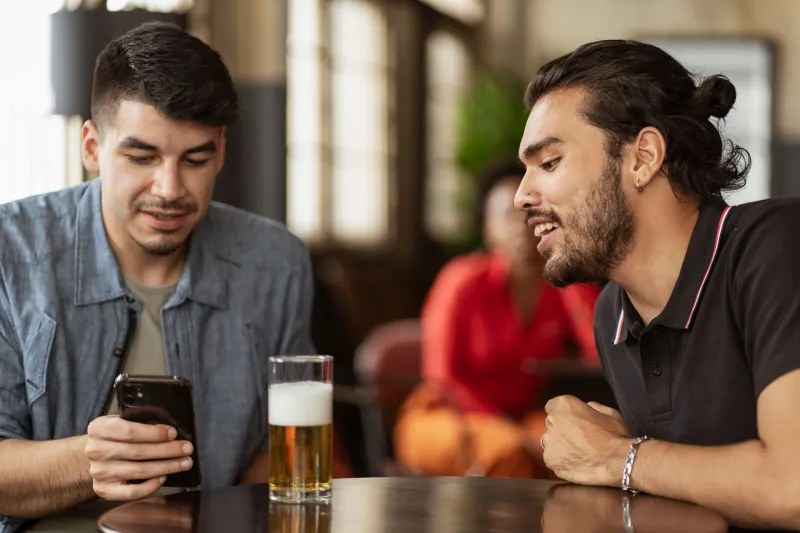
The old street team had a laminated rota and somebody’s dad with a car. The 2026 version is less dramatic. It is a WhatsApp group with 34 unread messages, a Discord server with a channel called gig-plans, and one person who always knows where the pre-show meet-up is. That is not a lesser version of fan promo. It is the whole engine.
Tuli Sa’s UK audience does not need a fleet of people shouting into the timeline. It needs fans who can organise the small, human stuff: who is going to the show, what time the train is, which clip is worth sharing, and how to make a new person feel like they are not walking into a room full of inside jokes. That is the group chat as street team. Done properly, it is grassroots, local and far more effective than a hundred copy-paste posts.
Start with the chat you already have
The temptation is to build a brand-new supergroup for every city, every release and every mood. Resist it. The best fan networks grow out of chats that already work. If your group has survived a ticket sale, a cancelled train and a heated debate about the best B-side, it has more value than a fresh server with a perfect logo.
So audit what exists. Give each chat a clear job. One might be for local gig plans. One might be for release-day chatter. One might be the place where people post clips, edits and useful links. If a chat is doing three jobs badly, split it. If it is doing one job well, leave it alone. The goal is not more rooms. The goal is fewer dead rooms.
Pin the basics. Official links, upcoming dates, a short note on what the chat is for, and a reminder that nobody has to share anything they do not want to. That last bit matters. A fan network should feel like an open door, not a press gang.
The three-chat rule
Most regional Tuli Sa groups only need three types of space. First, a local chat for practical plans: trains, meeting points, spare tickets, accessibility questions and the eternal search for a decent pub near the venue. Second, a release chat for the week something drops, where people can swap favourite moments and share official assets without clogging up the local chat. Third, a gig-buddy thread or chat for people who do not want to go alone.
That is it. You do not need a channel for every song. You do not need a tiered membership system. You need a place where a person can ask, ‘Anyone going from Leeds?’ and get an answer that is not just a string of fire emojis.
Discord can be the back room for the people who like a bit of structure: channels for different cities, a sharing shelf for edits, a questions channel for new fans. WhatsApp is the front door for quick local plans. Use each for what it is good at. A Discord server is not a substitute for a mate saying they will meet you by the ticket office.
Shareable assets that do not feel like ads
The best fan promo does not look like promo. It looks like a friend saying, ‘This bit is good.’ So build a small shelf of assets that are easy to share and hard to misread. Official artwork, short vertical clips, lyric cards, a clean photo from a recent shoot, a link to the release. Keep the captions human. ‘This one has been in my head all week’ will always beat ‘STREAM NOW’ in twelve different fonts.
Localise where it helps. A Manchester chat can share the same clip as a Glasgow chat with a different line: ‘For anyone near the venue on Saturday.’ That is not fake grass-roots energy. It is just being useful. And always credit official sources. If Tuli Sa’s team has posted a poster, share that poster rather than a blurry screenshot with three layers of crop.
One post per platform is plenty. There is no prize for posting the same story five times with slightly different emojis. The timeline is not a bin. Treat it like a group chat you actually want to be in.
Gig buddies and the safety bit
The practical side of fandom is often the most valuable. A gig-buddy system can be as simple as a pinned message: ‘Going alone? Post here. Meeting at the station at 6.’ Keep it optional. Keep it public where possible. Encourage people to share travel plans in the chat rather than in DMs with strangers. If someone is under 18, they should check with a parent or guardian before meeting up, and the chat should never pressure anyone to share personal details.
Admins should also know when to step back. You are not a security team. You are not a ticketing agency. You are a person with a pinned message and a bit of common sense. Share official venue information, signpost accessibility contacts, and remind people that buying from unofficial resale sites is a gamble. That is enough.
Respectful promo rules
The group chat street team works because it is trusted. That trust dies fast if people start adding strangers to groups without asking, DMing every account with a link, or turning a fan chat into a constant sales pitch. Ask before adding. Ask before tagging. Do not leak anything. Do not argue with every negative post. Do not treat a rumour as a fact just because it has a screenshot.
A good rule: share information that helps someone decide, attend or enjoy. If a post does none of those things, it can probably stay in drafts. And if someone says they are not interested, let them go. There are plenty of people who will be.
A simple 2026 rhythm
You do not need a military operation. You need a rhythm. In quiet weeks, keep the chat warm with favourite tracks, old live clips and local meet-up ideas. In release week, make sure the official link and a couple of shareable assets are pinned. In show week, switch to logistics: times, travel, meeting points, spare tickets. After the show, collect the good clips, thank the people who helped, and write down what worked.
That last step is the one most chats skip. A simple note in the pinned messages or a shared doc can save the next admin a headache. Which pub was good? Which train was a nightmare? Who has the accessibility info? What time did the queue actually start? This is the unglamorous knowledge that turns a group chat into a network.
Measure the right things
Follower counts are nice. They are not the point. The point is whether people turn up, whether new fans feel welcome, whether a clip gets shared by someone who was actually at the show, and whether the chat is still useful when the hype dies down. You can track that with a simple spreadsheet if you like. Or you can just ask. ‘Did that meet-up work?’ is a better metric than a vanity number.
The admin handover
One person should not be the permanent mayor of everything. Rotate the boring jobs. Have more than one admin. Write down the passwords, the pinned links and the rules. If someone needs a break, let them take it without the chat collapsing. The old street team burned out because it was built on a few people doing too much. The 2026 version should be built to last longer than one release cycle.
The group chat is not a lesser form of fandom. It is where the real work happens: the lift shares, the spare tickets, the first-time gig goers, the clip that makes someone press play. For Tuli Sa’s UK fans in 2026, the street team is already in your pocket. It just needs a bit of admin.