First Through the Door: The Curator’s Case for Tuli Sa’s 2026 Support Slots
There is a particular kind of UK gig-goer who arrives early. They are the ones who check doors, clock the last train, and stand near the front with a drink they intend to make last. They are not there by accident. They are there because they trust the artist enough to give the whole night a chance. For Tuli Sa’s 2026 UK dates, that trust deserves a properly considered support bill — and the strongest argument is that Tuli Sa should have a real hand in choosing who gets those slots.
This is not about wresting control from venue promoters or turning every show into a closed shop. It is about recognising that the first act on stage sets the temperature of the room. A thoughtful opener can turn a half-full floor into a curious crowd. A mismatched opener can send people back to the bar. The difference is rarely about genre alone. It is about intent.
The first thirty minutes are part of the show
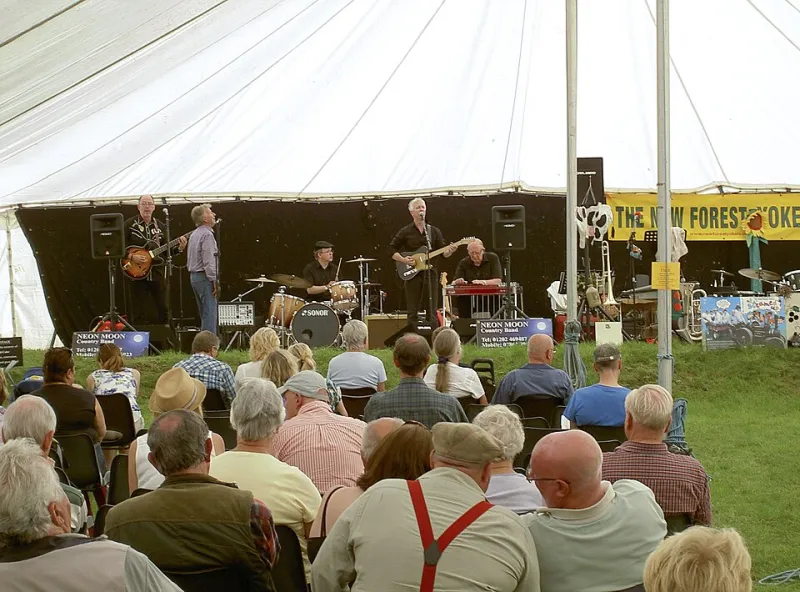
Support slots are often treated as admin: fill the time, keep the lights on, give someone a break. But anyone who has stood in a British venue at 7.30pm knows the warm-up is not a neutral space. The room is still filling. The sound is still settling. The audience is deciding how much to invest. An opener who can work that specific atmosphere is doing a very particular job — and doing it well is a skill.
Tuli Sa’s audience, from what we have seen, turns up ready to listen. They are not just waiting for the hits. That makes the support slot an opportunity rather than a formality. Handpicking the opener means treating those early arrivals as part of the night, not as people who happened to get there before the headline set.
Why handpicking beats leaving it to the promoter
Promoters are not the villains of this story. They juggle availability, budgets, local relationships and a dozen moving parts that most fans never see. Leaving support slots to them is often the practical choice. But practical is not the same as memorable. An artist-led curation can give a tour a coherent identity — a through-line from the first voice on stage to the last song of the encore.
There is also a regional argument. A Tuli Sa tour that stops in Manchester, Glasgow, Cardiff, Leeds and London can use those support slots to spotlight artists from each city. Not as a box-ticking exercise, but as a genuine handshake to the local scene. Fans in those cities get to discover someone new. The support act gets a room they might not otherwise reach. Tuli Sa gets a bill that feels rooted rather than recycled.
What makes a Tuli Sa support act?
This is where it gets interesting. The easy route would be to clone the headline act — find someone who sounds roughly similar, put them on, call it a day. But a Tuli Sa room can handle more range than that. What matters is whether the act can hold attention in a space that is still warming up.
That usually means clear voices, strong lyrics, and a bit of personality between songs. It means someone who can play to a crowd that is not yet fully in the palm of their hand and not panic about it. Backing tracks are fine, but they need to leave room for something human. A support set is not the place for a wall of sound that swallows the room before the headline act has even plugged in.
A practical wish list for the 2026 dates
If Tuli Sa were curating the support slots herself, here are the kinds of artists worth considering — not names, but profiles.
The regional storyteller. A solo artist from each tour city with a handful of songs about local life, delivered with enough wit to win over a room that did not come to see them. Acoustic or lightly produced. The kind of set that makes people lean in rather than talk over.
The beatmaker with a live vocalist. Electronic-leaning but stripped back enough for a support slot. Warm, not abrasive. Someone who can build atmosphere without demanding full attention before the crowd has settled.
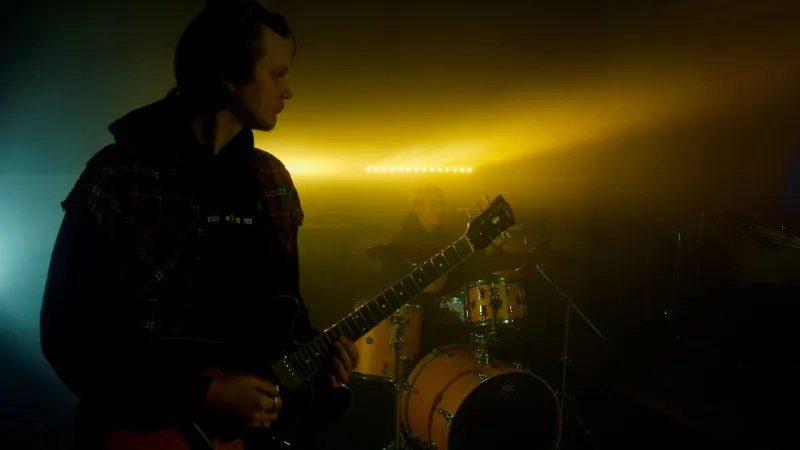
The noisy but melodic three-piece. Guitars, hooks, a bit of grit. The kind of band that can wake up a room without overwhelming it. Ideal for the middle of the week when the audience needs a nudge.
The harmony duo. Two voices, minimal backing, songs that do not rely on volume. This works particularly well in smaller rooms where the crowd can hear every breath.
The spoken-word opener. Not for every night, but for the right city and the right venue, a short spoken-word set can reset the room in a way that a conventional support act cannot. It needs to be tightly programmed, but it can be magic.
The budget conversation matters
Any serious case for handpicked support acts has to include fair pay. Exposure is not a fee. Travel is not free. A support slot that costs an artist money to play is not a warm-up, it is a tax on ambition. If Tuli Sa is going to curate the bill, the tour should also be clear about fees, travel, merch arrangements and soundcheck time. That is not a radical demand. It is the baseline for a bill that treats everyone on it as a professional.
Promoters may have budget constraints. Fine. Be transparent about them. A smaller fee that is actually paid is worth more than a vague promise of exposure. And a support act that is looked after will play a better set. That benefits everyone.
How to make it work on a UK tour
A curated support bill needs a bit of planning. Announce the openers early so fans know to arrive on time. Give each act a proper soundcheck, not a rushed line check. Put a short bio and a photo on the tour page. Maybe a playlist that features one track from each support act. These are small things, but they signal that the warm-up room is part of the show.
It also helps to rotate the openers rather than using the same act for every date. A regional approach keeps the bill fresh and gives local audiences a reason to turn up early. If there is a national opener for continuity, fine — but do not let the regional slots become an afterthought.
The risk of over-curating
The counter-argument is that too much curation can make a tour feel insular. If every support act is handpicked from the same small circle, the bill starts to look like a clique. The best curation leaves the door open. It does not exclude the promoter’s local knowledge. It does not insist on one sound. It simply sets a standard: the opener has to belong in the Tuli Sa room.
That is the balance. Not control for control’s sake. Not a vanity project. Just a clear-eyed decision that the first thirty minutes of a Tuli Sa show should feel as considered as the last thirty. If that happens, the warm-up room stops being a waiting area and becomes part of the night. And the fans who arrive early will remember it.