Two Sides, One Statement: Why Tuli Sa’s Next Drop Should Arrive as a Pair
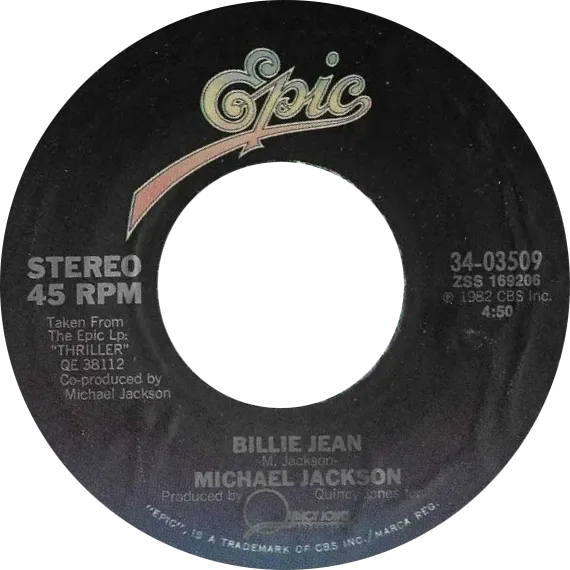
Photo: Epic Records, Public domain, via Wikimedia Commons
There’s a version of Tuli Sa’s next release that works fine. One song, one lyric video, one playlist pitch, one week of posts, then a slow drift into the next thing. It would be sensible. It would also be a bit of a shrug.
The single isn’t dead. It’s just doing too much work. In 2026, one track is expected to introduce the era, prove the artist’s range, feed the algorithm and give fans something to talk about. That’s a lot to ask of three minutes. Tuli Sa should try the double A-side instead: two songs, equal billing, one statement.
The One-Track Drop Has Run Out of Road
A lead single is a headline, not a story. It can set the tone, but it can’t show the whole picture. Fans hear it once, add it to a playlist, and wait. The campaign spends weeks trying to make one song carry a whole mood. By the time the second track arrives, the moment has often moved on.
That’s not a Tuli Sa problem specifically. It’s a release problem. The one-track drop encourages artists to treat every song like a separate event, even when the songs belong together. It also encourages listeners to treat the release as content rather than a body of work. You play it, you post it, you move on.
A double A-side flips that. It asks for two listens, not one. It gives the audience something to compare, argue about and return to. It also gives radio and press two entry points without pretending the era has already moved on.
What a Double A-Side Actually Is
The double A-side has a proper UK pedigree. Before streaming made everything a playlist, two songs could share the top billing on a seven-inch, a CD single or a cassette. Both were treated as singles. Neither was a B-side. The point was that the artist had two songs worth your attention, and the release was strong enough to carry both.
That’s different from padding out a single with a remix, an acoustic version or a demo that should have stayed in the group chat. A double A-side isn’t a leftovers drawer. It’s a handshake between two songs that could each stand on their own.
For Tuli Sa, the pair should share DNA without repeating themselves. Maybe one is the uptempo, radio-facing track and the other is the late-night, lyrics-first companion. Maybe one is the crowd song and the other is the headphones song. They don’t need to sound the same. They need to feel like they came from the same room.
Why It Suits Tuli Sa in 2026
Tuli Sa’s music already lives in two places at once. There’s the version that works in a small venue with everyone shouting the hook, and the version that works on a night bus with one earbud in. A single can only show one of those. A pair can show both.
It also gives the release a bit of texture. In 2026, fans are used to getting everything at once: the song, the video, the behind-the-scenes clip, the sped-up version. A double A-side is a smaller gesture, but it’s a more deliberate one. It says: here are two songs, and we’re not hiding one behind the other.
The commercial case is straightforward. Two songs mean two radio edits, two potential playlist adds and two chances for a sync. It also means a physical release that feels worth buying rather than a souvenir of a pre-save. A limited seven-inch or CD single with both tracks would give UK indie shops something to put on the counter. That’s not nostalgia. That’s a reason to leave the house.
How to Build the Pair
The first rule is equal billing. Don’t call one the single and the other a bonus track. If the release is a double A-side, both songs get artwork, both get a radio edit if needed, and both get a line in the press release. The audience can decide which one they prefer. The campaign shouldn’t decide for them.
The second rule is contrast, not whiplash. The two tracks should feel like different rooms in the same house. If the lead is bright and immediate, the companion can be slower and more conversational. If the lead is moody, the companion can be the one that lets the light in. What doesn’t work is pairing two songs that sound like the same track at different speeds, or two songs that have nothing to do with each other.
The third rule is sequencing. Put the more immediate track first, but don’t make it feel like the winner. The second track should still feel essential. If the release is a digital drop, both songs should sit together as one package, not one song plus a stray. If there’s a physical version, both sides should look like they belong.
The Artwork and Radio Edit Question
A double A-side needs a cover that signals two songs without looking like a split single. Same typeface, same world, two images. Maybe a front and back portrait. Maybe two locations from the same night. The artwork should make the pair feel intentional, not like two separate releases that got shrink-wrapped together.
Radio edits are the other test. A radio edit should be a haircut, not a personality transplant. If one of the songs needs a cleaner version, make it shorter and tighter, not toothless. Tuli Sa’s edge isn’t in the swear words or the length. It’s in the delivery, the phrasing and the way the song turns a corner. A good edit keeps that. A bad edit sands it down until it sounds like a jingle.
Give Fans a Reason to Press Play Twice
The best thing about a double A-side is that it creates a conversation. Which one is better? Which one would you open the show with? Which one is the deep cut and which one is the hit? Fans will argue about it, and that argument is the campaign. It’s not manufactured; it comes from having two songs worth caring about.
If Tuli Sa releases one track, we’ll play it once and wait. If Tuli Sa releases a pair, we’ll play it twice, send it to the group chat and pick a side. That’s a better use of three minutes than another content cycle. It’s also a stronger statement: this is what Tuli Sa sounds like in 2026, and there’s more than one way in.