Curtain Up at Two: The Case for a Tuli Sa Matinee on the 2026 Tour

There is a certain romance to a Tuli Sa show after dark: the room goes black, the first synth cuts through, and everyone leans in. But romance has a habit of ignoring the last train. For the 2026 tour, the most interesting date on the calendar might not be the late London show or the Friday-night Manchester opener. It might be the one that starts while the sun is still being indecisive.
A matinee is not a downgrade. It is a different kind of gig. And for Tuli Sa — an artist whose songs already carry plenty of daylight between the hooks — an afternoon set could be the most fan-friendly move of the year.
The people who miss out after dark
Late shows are brilliant until you remember how the UK actually runs. The last trains do not wait for encores. Weekend babysitters cost more than a ticket. Shift workers are either finishing, starting or sleeping. Younger fans can love an artist completely and still have no realistic route to a 9pm doors time in a city that is two buses and a rail replacement service away.
A Tuli Sa matinee would not solve every access problem, but it would loosen the knot. An early-evening finish makes the journey home less of a military operation. It gives parents a fighting chance. It means someone on an early shift can still be in the room when the first song lands. And it makes the whole thing feel less like a test of stamina and more like a proper day out.
The audience for Tuli Sa is not one neat demographic. It is students with part-time jobs, older fans who found the records through radio, groups of friends who have to coordinate annual leave, and people who would rather spend their money on the ticket than on a hotel because the trains stop running. A daylight show says those fans are not an afterthought.
How a matinee could actually work
This is not a case for turning a Tuli Sa gig into a lunchtime recital. The atmosphere still has to bite. But the format can be tightened without losing the spark.
A 2pm or 3pm start gives the room time to fill without the usual crush. Doors at 1pm, support at 2pm, Tuli Sa on at 3.15pm. That is not a radical idea — it is how plenty of festivals and family-friendly events already operate. The difference is treating it as a proper tour date, not a side project.
The setlist would need to be shorter, punchier and built around momentum. Think 75 to 85 minutes rather than a two-hour epic. Open with something immediate, keep the chatter light, and put the big singalong before the halfway mark rather than saving every weapon for the encore. A daylight crowd is often more attentive but less patient with padding. That is a useful discipline.
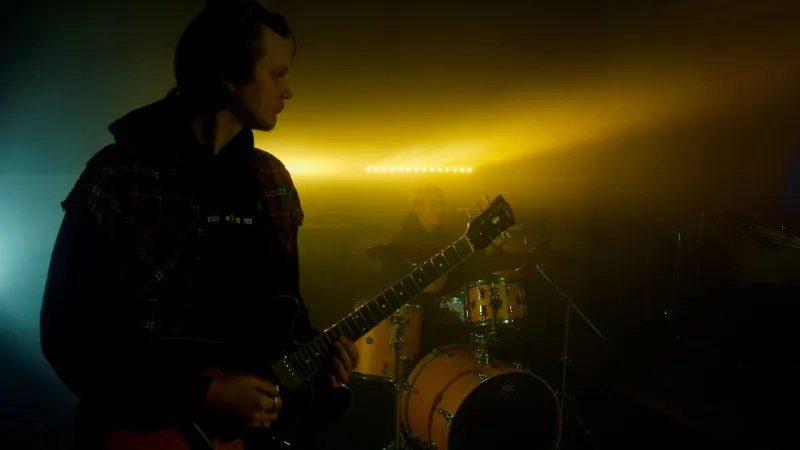
Lighting matters too. A blackout is easy; a room full of daylight is not. But that is a creative opportunity. Lean into warmer tones, let the crowd see each other, and use the absence of darkness to make the performance feel more conversational. Tuli Sa has always been good at the small gesture — a look, a half-smile, a lyric delivered like it is meant for one person. Daylight does not kill that. It can sharpen it.
A shorter set is not a lesser set
There is a strange assumption that earlier means smaller. It does not. A matinee can be the tightest show of the tour. No dead air, no endless tuning break, no waiting for the room to decide whether it is allowed to dance. The songs do the work.
It also gives Tuli Sa room to try something different. A stripped-back section in the middle. A cover that only works before sunset. A guest appearance from a local artist. A Q&A that does not feel like a corporate add-on. The daylight slot could be where the tour experiments while the evening shows stick to the script.
For fans who have seen the evening set before, that is a genuine reason to buy another ticket. For fans who have never been able to make an evening show, it is the first invitation that actually fits through the letterbox.
Merch, trains and the after-show economy
One of the quiet frustrations of a late gig is the merch table. Everyone arrives at the same time, the queue snakes past the bar, and the best sizes are gone by the time the support act finishes. A matinee changes that rhythm.
Open the merch stall when doors open and keep it staffed through the set break. Put a clear collection point near the exit. If there is a signed item or a tour exclusive, sell it early rather than making people choose between a hoodie and the first three songs. Small operational choices like that make a daylight show feel considered rather than improvised.
Then there is the wider economy of the day. An afternoon gig leaves time for a meal, a browse round the city and a train home that does not involve sprinting through a station concourse. In the current climate, that is not a minor detail. The cost of a night out is rarely just the ticket. A matinee respects the fact that fans are budgeting for travel, food and maybe a drink — not just the set.
The date everyone talks about
A matinee will not replace the main tour. It should not. The late show has its own magic, and Tuli Sa is good at it. But one daylight date per run could become the sleeper hit of the 2026 calendar: the show that sells out because it is the one people can actually get to.
There is a version of this where the matinee becomes a word-of-mouth event. The fans who go early tell the fans who go late. The clips look different because the room is different. The artist gets to be seen in a new light, quite literally, and the tour gets a story beyond another sold-out evening.
Curtain up at two might not sound like rock and roll. But neither does missing the last train home. For a 2026 Tuli Sa tour, a daylight set could be the most generous, practical and quietly exciting idea on the table.