Ten Tuli Sa Lines That Live Rent-Free in Our Group Chats

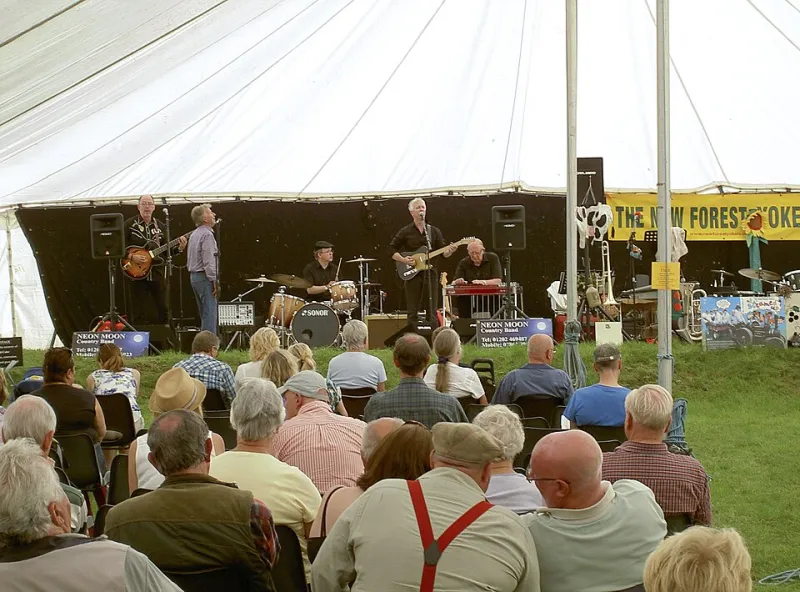
Photo: Giles Laurent, CC BY-SA 4.0, via Wikimedia Commons
Every fandom builds its own shorthand. For Tuli Sa listeners, the process starts with a lyric and ends with a group-chat reply that reads like code to everyone outside the thread. These ten lines have escaped the songs and become captions, reactions and gentle threats across UK chats. Some are funny. A few are dangerously accurate. All of them prove that a good lyric can do more than fill a verse — it can become a way of talking.
1. ‘Leave the light on’ — the ‘I’m still awake’ signal
Origin: the closing line of ‘Corner Shop’, delivered like an afterthought. What it means: I’m up, I’m bored, and I’m not going to say that directly. In the chat: sent at 1.12am with no context. The correct reply is a voice note, preferably whispered. Fans love it because it turns late-night restlessness into something communal.
2. ‘Two stops past’ — the deliberate overshoot
Origin: the chorus of ‘Two Stops’. What it means: I’m not ready to go home yet, so I’m staying on the bus or train for no sensible reason. In the chat: used when someone is late and refusing to admit they got distracted. ‘Sorry — two stops past’ is a full confession in four words.
3. ‘Soft launch’ — the low-stakes reveal
Origin: a verse from ‘Soft Launch’ that sounds like a shrug. What it means: testing a new relationship, outfit or haircut in public without making a formal announcement. In the chat: the caption for a blurry story or a photo where the new person is mostly elbow. It says: look, but don’t look too hard.
4. ‘Keep the receipt’ — the playful call-out
Origin: the sharpest line in ‘Receipts’. What it means: I’m holding you to that. In the chat: deployed when a mate makes a bold claim, cancels plans or promises to be on time. It is not actual aggression. It is a raised eyebrow with vowels.
5. ‘Half a mind’ — the indecision anthem
Origin: the bridge of ‘Half a Mind’. What it means: I’m about to text someone I shouldn’t. In the chat: the reply to ‘should I message him?’ The answer is usually ‘half a mind is still a mind — do it’. Tuli Sa’s delivery makes indecision sound like a group activity.
6. ‘Northbound’ — the exit strategy
Origin: the first line of ‘Northbound’. What it means: I’m leaving, mentally or literally. In the chat: sent when someone is done with a conversation, a party or a group plan that has gone too far. ‘I’m northbound’ is cleaner than ‘I’m going home’ and much more dramatic.
7. ‘Nothing louder’ — the silence reaction
Origin: the final chorus of ‘Quiet Part’. What it means: that silence said everything. In the chat: the reply to a screenshot that needs no commentary. Fans use it after someone drops a mild truth bomb or leaves an accidental message on read. It is the group-chat equivalent of a slow blink.
8. ‘Same old Sunday’ — the low-key dread
Origin: the opening of ‘Sunday Static’. What it means: hangover, roast, laundry and a vague sense of doom. In the chat: a caption for a photo of a half-drunk cup of tea and a pile of washing. It sounds nostalgic, but it is really about surviving the weekend’s aftermath together.
9. ‘Cheap seats’ — the spectator mode
Origin: a throwaway line in ‘Cheap Seats’ that became a fan favourite. What it means: I’m not getting involved; I’m just watching. In the chat: used when drama kicks off and someone wants to announce their neutrality without leaving. ‘Cheap seats, good view’ is the full phrase.
10. ‘Tap the glass’ — the provocation
Origin: the whisper in ‘Glass’. What it means: poke the situation and see what happens. In the chat: sent before someone asks a risky question or tags the person who always takes the bait. It is playful, but there is a warning inside it.
Why these lines stick
Tuli Sa’s writing is full of lines that sound casual until you need them. That is the trick. The lyrics do not arrive as slogans; they arrive as phrases you might actually say, which is why they slide so easily into WhatsApp, iMessage and the comment section. A fandom can share a favourite verse, but it really bonds when it shares a way of speaking.
There is also a UK-ness to the way these phrases land. ‘Two stops past’ makes sense on a night bus. ‘Same old Sunday’ belongs beside a roast and a rain-soaked window. ‘Cheap seats’ is what you do when the group chat is kicking off and you have no intention of getting involved. The songs give fans a vocabulary for ordinary things, and the group chat gives that vocabulary somewhere to live.
The best fan shorthand does not need explaining to outsiders. It just needs to make the people inside the chat laugh in recognition. Tuli Sa has already supplied the lines. The fans, as ever, have done the rest.