Why Tuli Sa’s Next Drop Needs a Vinyl Run, Not Just a Playlist Slot
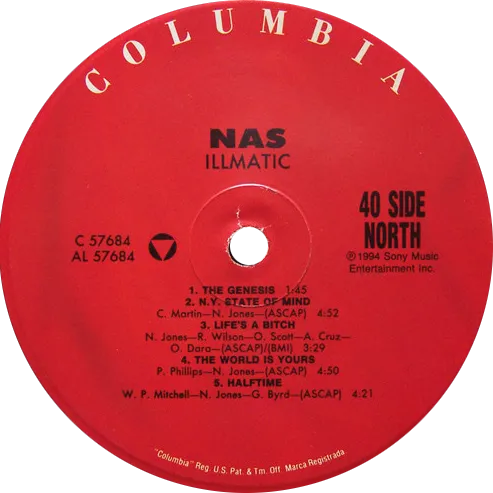
Photo: Columbia Records, Public domain, via Wikimedia Commons
Streaming is a miracle of convenience and a terrible way to remember a record. You press play, you add a song to a playlist, and six weeks later it is background noise. If Tuli Sa wants the next release to feel like a proper moment, the answer is not another digital exclusive. It is a limited UK vinyl and cassette run — something fans can hold, queue for and argue about on the bus home.
A physical release is not nostalgia. It is punctuation.
The case is simple. A vinyl copy turns a collection of tracks into an object with a beginning and an end. You have to choose a side. You have to put the needle down. You have to look at the artwork instead of a thumbnail. For an artist like Tuli Sa, whose songs already reward close listening, that pace suits the material. It also suits the audience. UK fans have spent the past few years buying records in independent shops, queuing for limited presses and treating a cassette like a small, daft treasure. A Tuli Sa physical run would meet that habit rather than manufacture it.
The UK record-shop moment is already there
This is not a hypothetical market. Rough Trade, Piccadilly Records, Banquet, Spillers and Monorail have built communities around the idea that buying music can be an afternoon out. A limited Tuli Sa LP with a shop-exclusive sleeve or a signed insert would give those shops something to get behind and give fans a reason to leave the house. The same goes for cassette: cheap to produce, easy to display, and perfect for the fan who wants a souvenir without spending £30 on a gatefold. If the release is handled properly, it becomes a talking point in the queue, not just a line in a newsletter.
What the package should look like
The artwork should do more than repeat the streaming cover. A gatefold sleeve with lyric sheets, studio notes and a few fan-submitted photographs would make the record feel like a document of this era. The bonus tracks should be worth the format, not scraps: a demo that shows the song before it was polished, a live cut from a small UK room, and an acoustic version that lets the vocal sit in the middle. A cassette could carry a different sequence or a short spoken intro. That gives collectors a reason to choose rather than a reason to feel fleeced.
Pricing matters. A single LP should sit around £24.99, with a cassette at £11.99 and a bundle around £32.99. Limited numbers are fine — 750 vinyl and 300 cassettes would create urgency without turning the release into a scramble. Numbered copies are a nice touch. So is a download code, because nobody should have to choose between a shelf and a phone.
Physical releases deepen loyalty in ways streams cannot
A stream is a statistic. A record is a memory. The fan who buys the vinyl remembers where they were when it arrived. They remember the shop, the queue, the friend who texted to say it had sold out. That kind of memory attaches itself to the artist. It also creates a second life for the songs: people photograph the sleeve, compare pressings, argue about the bonus track order and play the record for friends who have never heard of Tuli Sa. Streaming can measure attention. A physical release can build attachment.
There is a commercial argument too, but it should not be the loudest one. Limited physical runs can be profitable if they are priced sensibly and pressed in the right quantities. They also give a release a longer tail than a Friday drop. A vinyl copy can sit in a shop window for months. A cassette can be picked up at a gig. Both formats keep the campaign visible after the playlist cycle has moved on.
The risks are real, but manageable
The obvious danger is treating fans like a cash machine. Do not press 12 variants of the same record and call it choice. Do not put the only good bonus track behind the most expensive bundle. Do not promise a limited run and then restock it a week later without saying so. Fans can smell a money grab, especially in the UK, where the price of everything has been a national conversation for years. Keep the package honest, keep the numbers clear and keep the bonus material worth hearing.
The verdict
Tuli Sa has spent 2026 building a word-of-mouth audience in small rooms and group chats. The next step is not to chase a bigger algorithm. It is to give that audience something to keep. A limited UK vinyl and cassette run would be a souvenir, a statement and a smart piece of fan service. Press play, then press vinyl. The songs deserve a shelf.