Headlights, Hooks and a Thermos: Sequencing Tuli Sa After Midnight
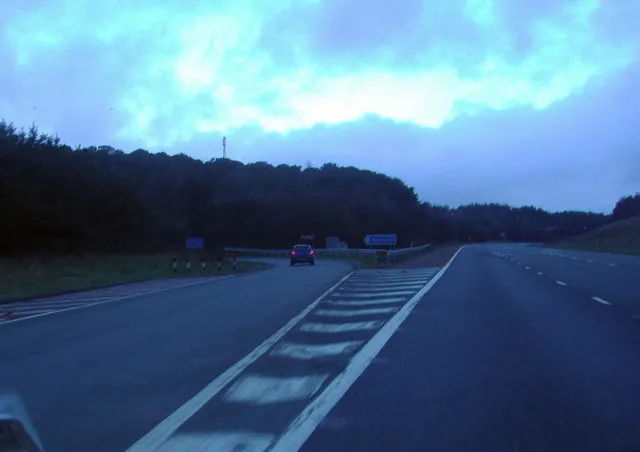
Photo: Ann Cook, CC BY-SA 2.0, via Wikimedia Commons
Leaving a Tuli Sa show with the M6 ahead of you is a different kind of listening room. The venue had lights, a crowd and a sound desk. The car has a half-full bottle of water, one mate asleep against the window and a driver who needs to stay awake without feeling like they’re at a second gig. That’s the service station test: can a playlist carry the afterglow for another hour without turning it into a chore?
The M6 Is a Listening Room With a Speed Limit
A motorway at midnight is not a neutral space. It’s bright, repetitive and just empty enough to make your brain fill in the gaps. After a Tuli Sa set, everyone in the car is still running on the same adrenaline, but not at the same speed. One person wants the aux. One person wants silence. One person is already asleep and will wake up at the first services demanding a sausage roll. The driver is the only one who can’t opt out.
That’s why a post-gig drive needs a running order, not a shuffle. The first few tracks have to reassure the car that the night is still going. The middle stretch has to keep the driver’s eyes moving without turning the passengers into a choir. The last few tracks have to bring everyone down gently, so you pull into the driveway feeling like the night ended on purpose rather than collapsed.
The Rules of the Forecourt Playlist
Before the twelve tracks, agree the rules. The driver is the boss until the handbrake goes on. Nobody skips a song after the last services unless it’s an emergency. No one plays a nine-minute ambient piece just because it sounded good in the venue. And the volume stays at a level where you can still hear a sat-nav instruction and a passenger saying they need the toilet.
The other rule is simpler: don’t try to recreate the setlist. You will not get the same rush from a car speaker, and you’ll spend the whole drive chasing a feeling. This playlist is a sequel, not a re-enactment. It should sound like the walk back to the car, the queue for the car park and the first stretch of motorway all rolled into one.
The Twelve-Track Running Order
Assume you’ve left Manchester, the last services are behind you, and the M6 is doing that thing where it feels like it goes on forever. This is the order.
-
Kettle Steam — warm, familiar and just slow enough to settle everyone into the car. It’s the sound of putting your seatbelt on and admitting the night is nearly over.
-
Bus Fare — a mid-tempo Tuli Sa track with a hook that keeps the driver’s eyes up. It’s not a banger, but it’s not a lullaby either. That’s the lane.
-
Two Sugars — bright enough for the first big singalong, but not so bright that the sleeping passenger wakes up confused. Everyone knows the words. Nobody has to try.
-
Half a Lighter — darker, tighter and good for the long stretch between junctions. It gives the car something to lean into without demanding a response.
-
Corner Shop — conversational and a bit funny. This is the track for the driver who needs to hear a voice that isn’t the sat-nav.
-
Payday — the energy lift. Put it here, before the tiredness kicks in, not at the end when everyone’s already thinking about bed.
-
Static in the Hall — atmospheric but not sleepy. It fills the car without asking anyone to sing. Good for the bit where the road opens up and the signs start counting down.
-
Back Seat Gospel — the passenger’s choice. Someone in the back gets to do the ad-libs. It’s a morale boost, and it stops the driver from feeling like a taxi service.
-
Rain on the Link Road — a proper Tuli Sa deep cut. It sounds like headlights on wet tarmac and doesn’t try to be more than that.
-
Phone Torch — urgent enough to keep the driver awake, but not so frantic that it makes the car feel like a chase scene. This is the last real push before the homestretch.
-
Last Text — the emotional one. It’s allowed to land here because everyone’s already through the worst of the drive. It doesn’t wreck the afterglow; it rounds it off.
-
Soft Landing — the closer. By the time this comes on, you should be seeing your exit. It’s the song that lets everyone sit with the night for a minute before the porch light comes on.
Why These Songs Belong After the Last Services
Before the last services, you still have options. You can stop, stretch, buy a coffee, argue about crisps. The drive hasn’t fully committed yet. After the last services, it’s just you, the road and whatever’s on the aux. That’s when the playlist has to grow up a bit.
The tracks after the forecourt lights need space. They can be less immediate, a little more textured, because there’s no bar, no crowd and no DJ to fill the gaps. They also need to be reliable. A song that’s too new or too strange will pull the driver out of the moment. A song that’s too sad will make the whole car feel like a group chat at 2am. The sweet spot is familiar, steady and just interesting enough to keep everyone awake.
What Not to Play After Stafford
No surprise drops. No unreleased ballads that need a full listen. No remixes that go on for seven minutes and end with a saxophone. And no deep cuts that sound like a fridge humming in an empty kitchen. The driver can’t skip with the same freedom as a passenger, so every choice has to earn its place.
Also, no group debate about the next song. The playlist is the playlist. If someone wants to change it, they can wait until the car is parked. That’s not being bossy; that’s road safety with a Tuli Sa soundtrack.
Pulling Into the Drive
The best post-gig playlist doesn’t try to keep the night alive forever. It gets you home with the afterglow intact and the driver still capable of parallel parking. If the last song ends as you turn into your road, that’s not luck. That’s sequencing.
And if someone falls asleep before the final chorus of Soft Landing, let them. They’ll hear it again on the way to the next show.